
Nigeria strengthens disease surveillance following confirmed Ebola case
Nigeria has confirmed an Ebola case in Abuja after a woman who had travelled from Uganda tested positive for the virus, according to a report published by The Associated Press on October 20, 2026. Health authorities have begun tracing people who may have had contact with the patient as part of efforts to contain the infection.
Health Minister Muhammad Pate said that 44 contacts had been identified for follow-up. The patient reportedly developed symptoms on October 7 and was admitted to a private hospital in Abuja on October 11 before the diagnosis was confirmed.
What this means for public health
The confirmation highlights the importance of early detection, laboratory testing, infection prevention and effective communication during infectious disease emergencies. Nigeria previously contained an Ebola outbreak in 2014, and health authorities have since developed experience in surveillance and emergency response.
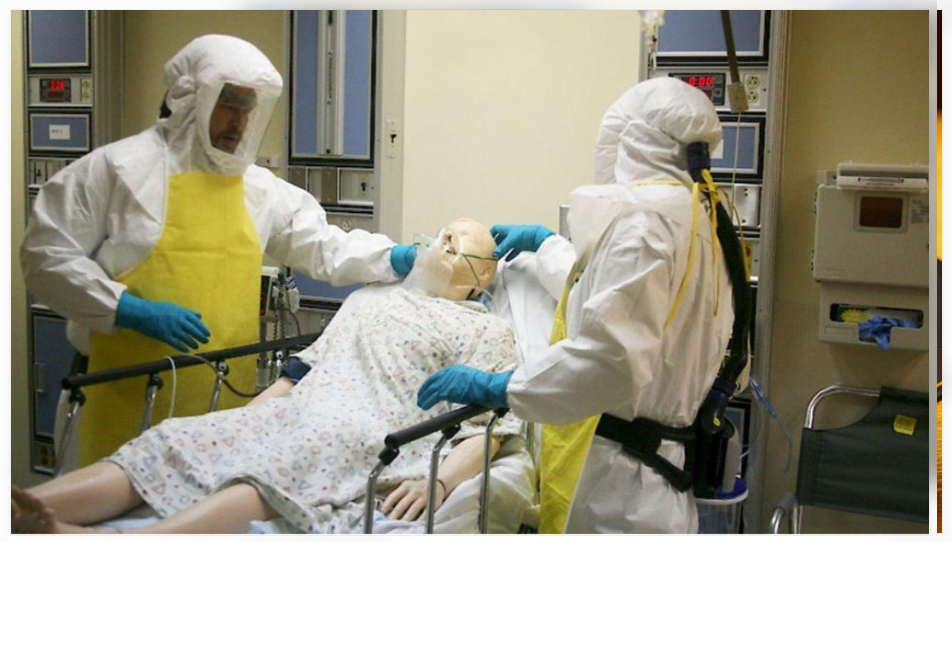
Contact tracing is an important public health measure because it helps authorities identify people who may have been exposed and provide appropriate monitoring and guidance. Health workers also play a critical role in preventing transmission through proper infection-control procedures.
Members of the public should follow verified guidance from the Nigeria Centre for Disease Control and Prevention (NCDC) and the Federal Ministry of Health. Anyone concerned about possible exposure should seek professional medical advice rather than attempt self-diagnosis.
Conclusion
Nigeria’s response to this case will depend on prompt identification of contacts, effective infection control and clear communication with the public. The situation also demonstrates why international cooperation and strong public health systems remain essential in managing infectious disease threats.